Producer Thoughts: The Debrief
The Debrief. It’s something so easy and inexpensive to do, that can save you thousands or millions of dollars. But yet I see very few filmmakers do it. So, let’s pull back the curtain and discover what a debrief is.
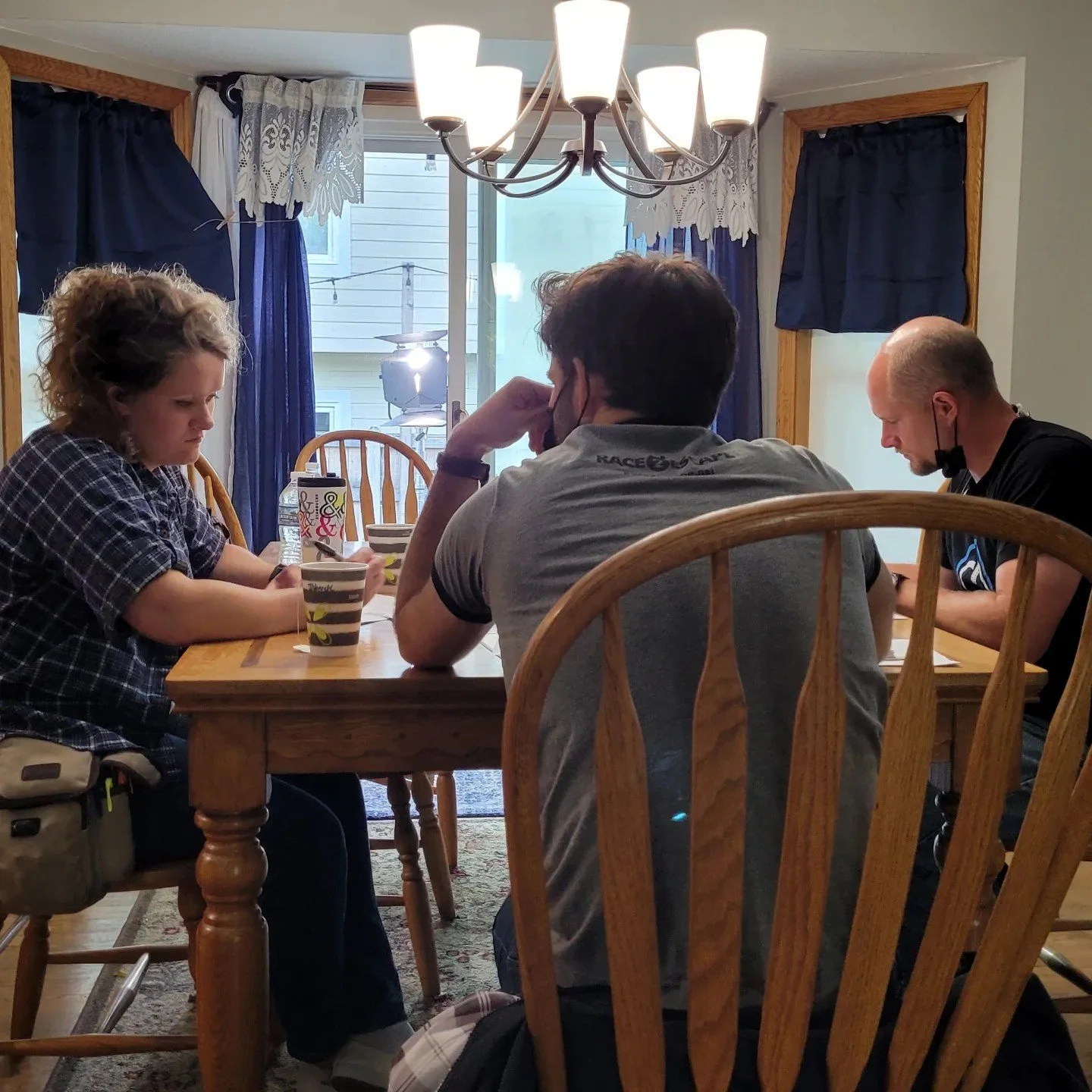
What is a debrief? It’s that final production meeting of the department heads where they recap how the production went. Issues that need to be worked on in the future, highlights of things that went well and anything else you want to review or recap. Think of it like the after-action report first responders file. The goal of the meeting isn’t to tear individuals down but build everybody up in their career by helping them learn and grow.
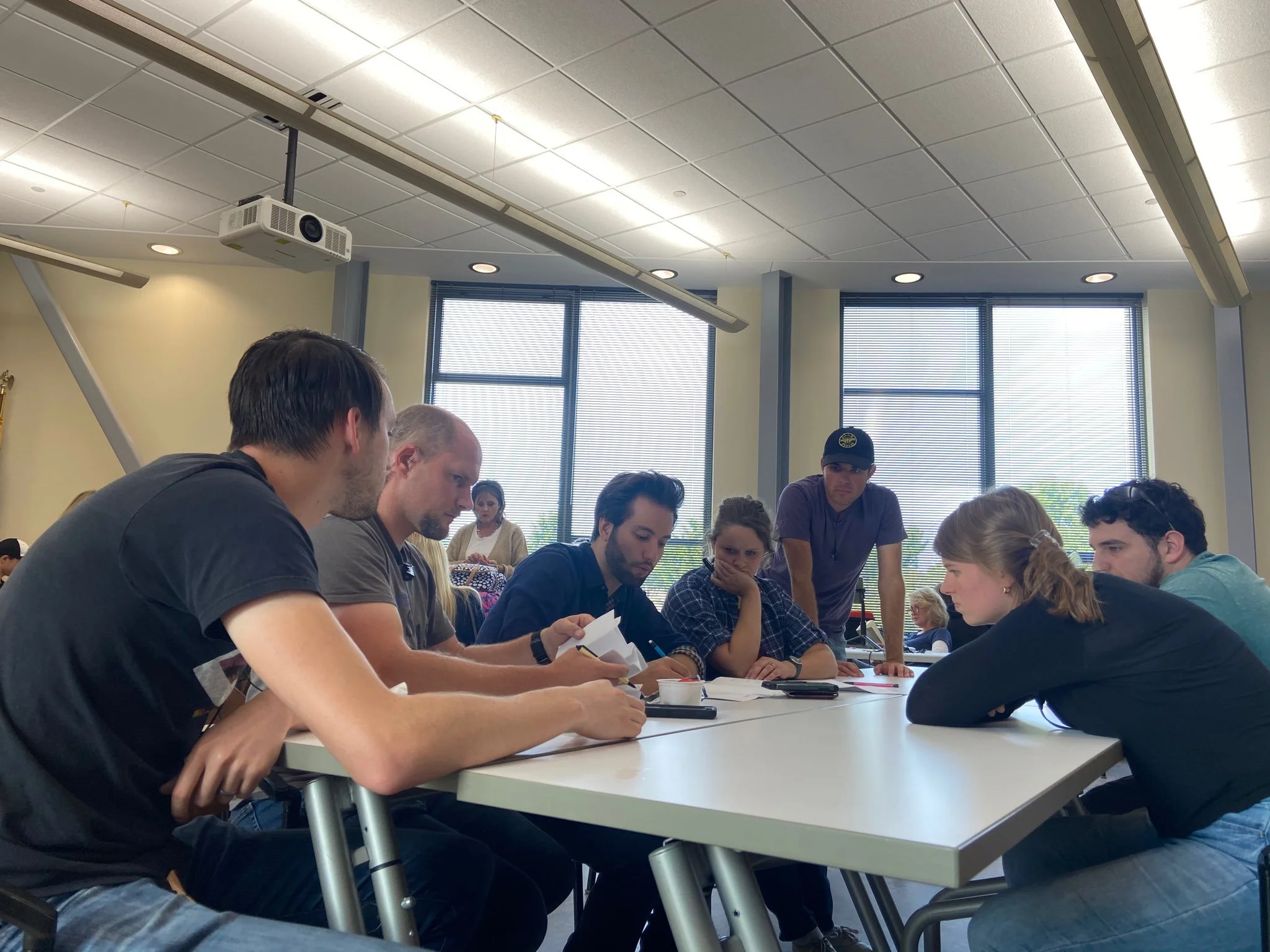
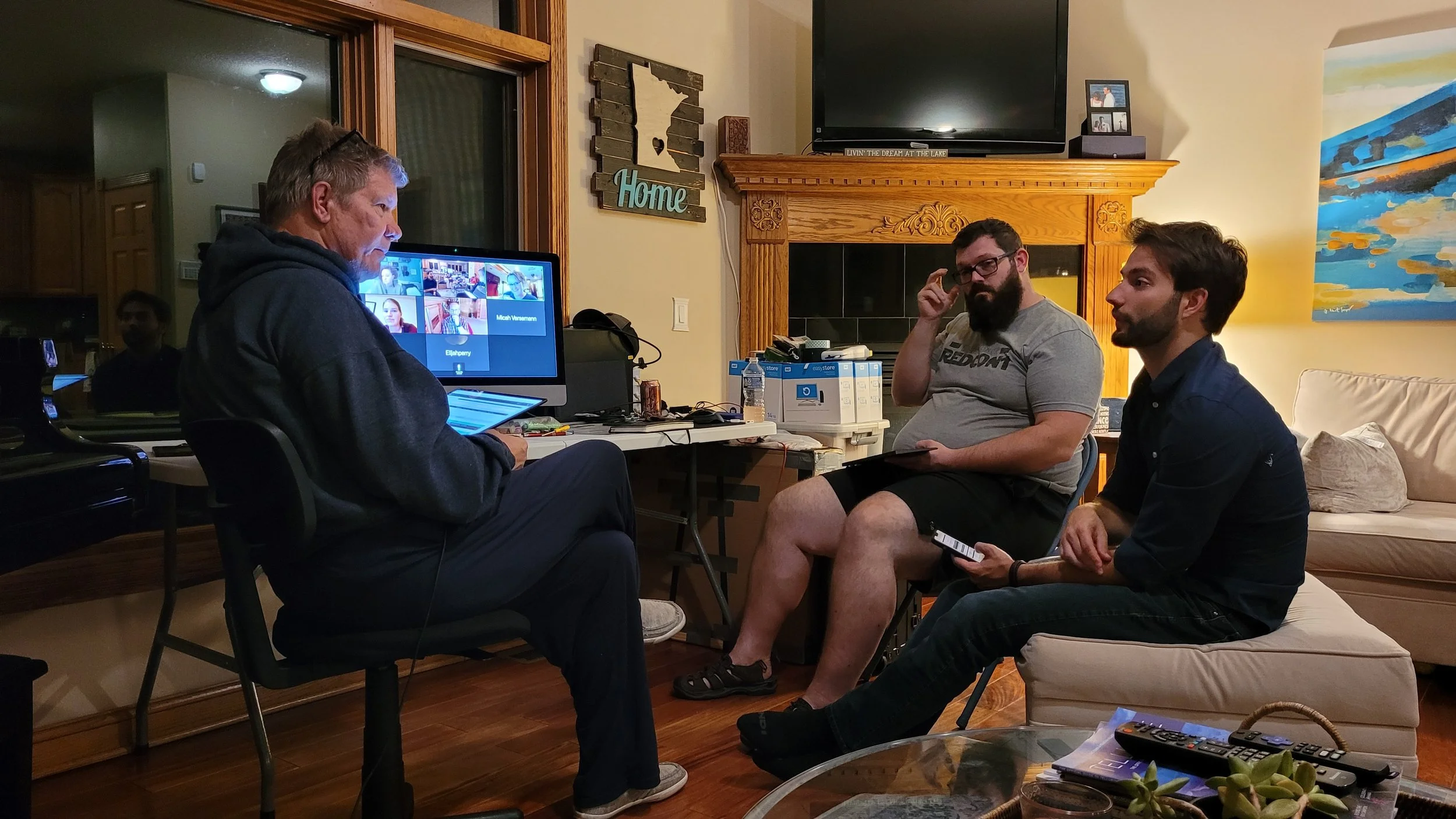
When and where should the debrief happen? That can vary by the project location, where crew are based and more. If it can be done in person that’s great, but a debrief can also easily be done over video call too. As to when you should do it, that really depends on your schedule. My advice is that it works best within 1-2 weeks following a production. That way people are able to be completely wrapped out of the project before the meeting, get caught up on sleep, spend some time with family and all those other things that get neglected during production. Also, keeping it within those two weeks keeps it close enough to the shoot that things are still fresh on people's minds. And a debrief doesn’t need to be long. 1-2 hours is usually enough.
What questions should you ask in a debrief? Obviously, these can be tailored towards your project but starting with basic Who, What, Where, When, Why and How questions is an easy place to start. Some examples of those questions could be: Who stood out on the crew? What was the biggest challenge of each department? How could we improve the set life for future productions? Beyond those you can easily ask whatever questions you want. A couple of my favorites includes: What’s something that worked really well you would do again? and Where could we most easily improve the production process?
As mentioned earlier, the key to remember is this isn’t a meeting where the goal is to get revenge on certain crew members or tear the production down because of how bad they did. It’s a time to focus on encouragement and improving so that you can have longevity in this industry. A way I help make sure debriefs can be productive is by making sure for every negative thing I highlight I also highlight a postive as well.
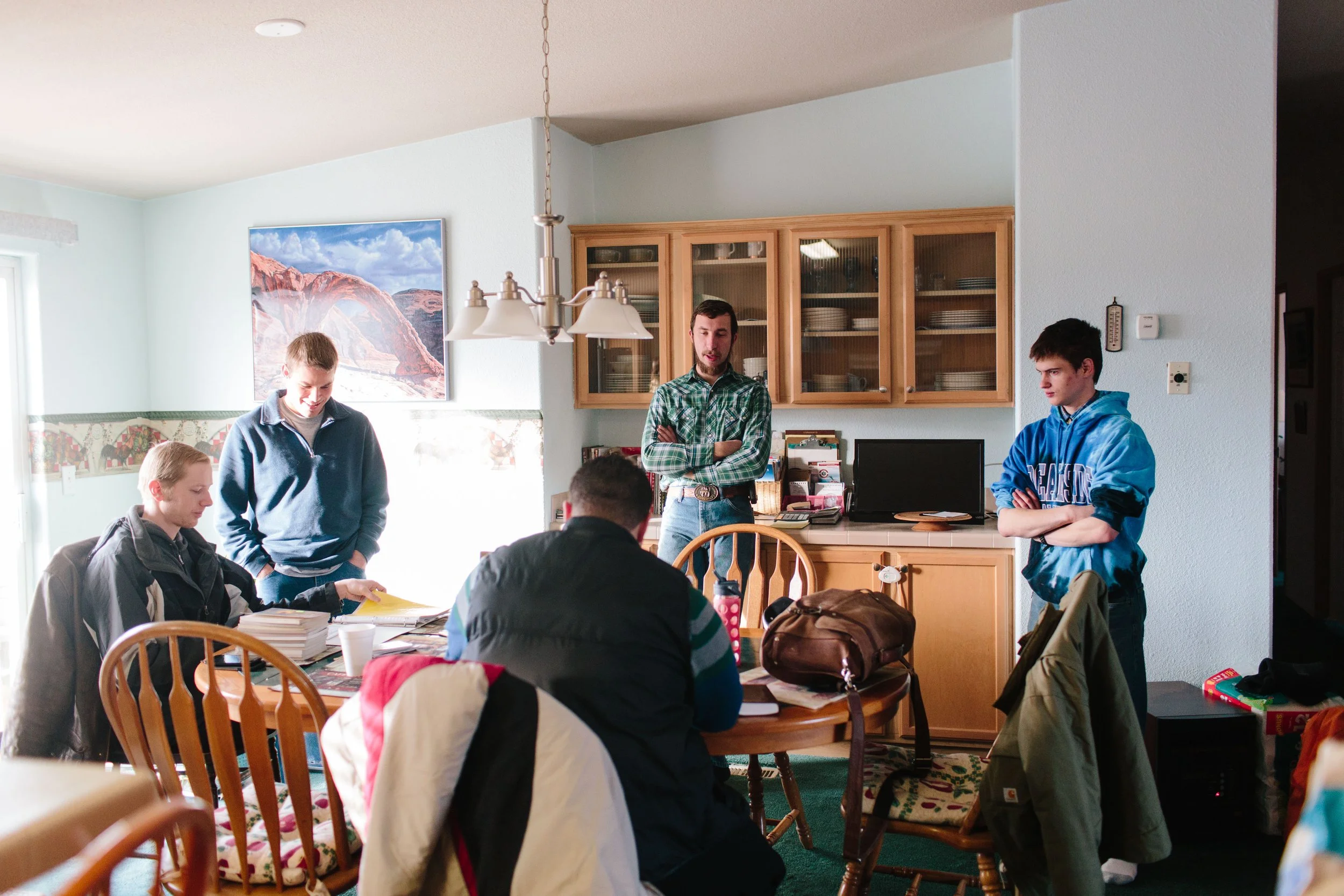
Why doesn’t a debrief happen more often? Good question, if I had to guess it’s either because people don’t see the need for it or they are so tired that one more meeting is the last thing they want to think about. In my experience the closest thing that usually happens to a debrief is 1) individual crew ask for feedback on their job performance from the production. This is great and definitely benefits the crew member but usually doesn’t benefit the production company. 2) The production company gets feedback from individual crew via email, but no further discussions are had between production and the crew on how to best fix issues for the future or improve. The production company usually just sits on those notes and people wait to see if they put the feedback into practice on their next production.
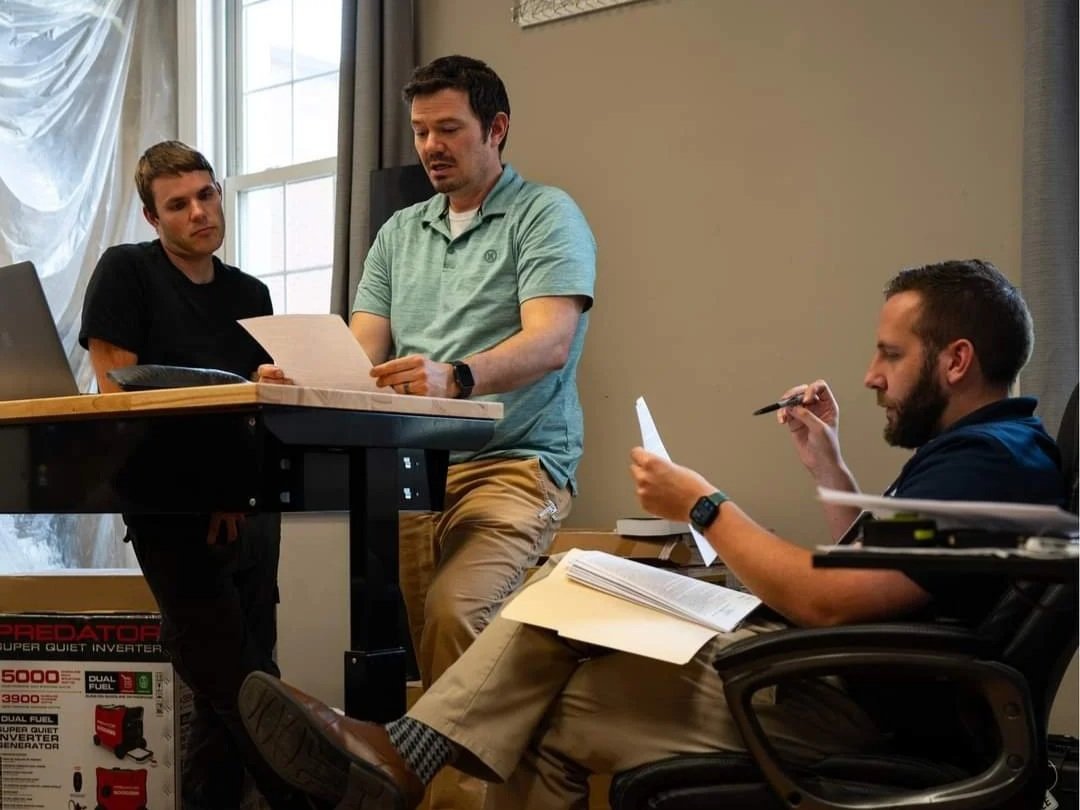
If you work in the Commercial side of the film industry you might be wondering, How does Client Work fit into the Debrief? If you think because you work solely in the commercial industry that debriefs aren’t necessary, then you’re mistaken.
The beauty of the commercial industry is shoots are shorter and more frequent. This means you can more quickly apply feedback and make adjustments than you can with features or series. It might also mean you can get feedback from a larger pool of people than you would on a feature as you cross paths with more crew. All that aside, for the commercial industry, the debrief is also a great tool when you have clients that you work with on a regular basis. Debriefing with them is just as important as the crew, not only so you can perform better for future clients, but it allows you to strengthen your relationship with current clients when they see you apply feedback they gave you and make improvements. Likewise, you’re able to help educate the client on aspects of the relationship so things go more smoothly for you next time around.
To summarize: Every creative person I've ever talked to agrees that pursuing a creative endeavor is like going to war. And if soldiers returning from battle find a debrief to gain knowledge for the next battle valuable then why shouldn’t creatives view that aspect of their war the same way. So, talk to people, learn from mistakes and prepare for a better second round.