Producer Thoughts: Must-Hire Crew
You're an independent producer living it big. So usually that means you’re in the midst of getting a film you’ve dreamed about made, pulling all-nighters trying to keep up with the ever growing to-do lists to make it happen. And most likely getting some grey hairs along the way.
But what if it didn’t have to be that way. What if you could still make that movie, be less stressed, get more sleep and add fewer grey hairs to your head? That’s what we’re going to look at in this post.
I’m an independent producer working across the industry. Recently a lot of my work has been in the commercial/client side of the industry but as many people know a good producer always has many projects stewing at the same time. Outside of producing I continue to jump in and help on film projects wherever the need arises and in whatever position productions are looking to fill. Producing, PA, transpo, locations, the production office, etc.
Being involved in the industry on both sides of the line has allowed me to learn and observe many things but one of the most common things I’ve seen is independent producers overloading themselves, all in the name of saving money; because as the saying goes, “a producer does whatever he doesn’t hire someone else to do.”
That’s why I’m going to peel back the layers on what I think are the three positions most often covered by the producer and why producers should really just hire another person on their team to fill those roles.
Position 1: Locations
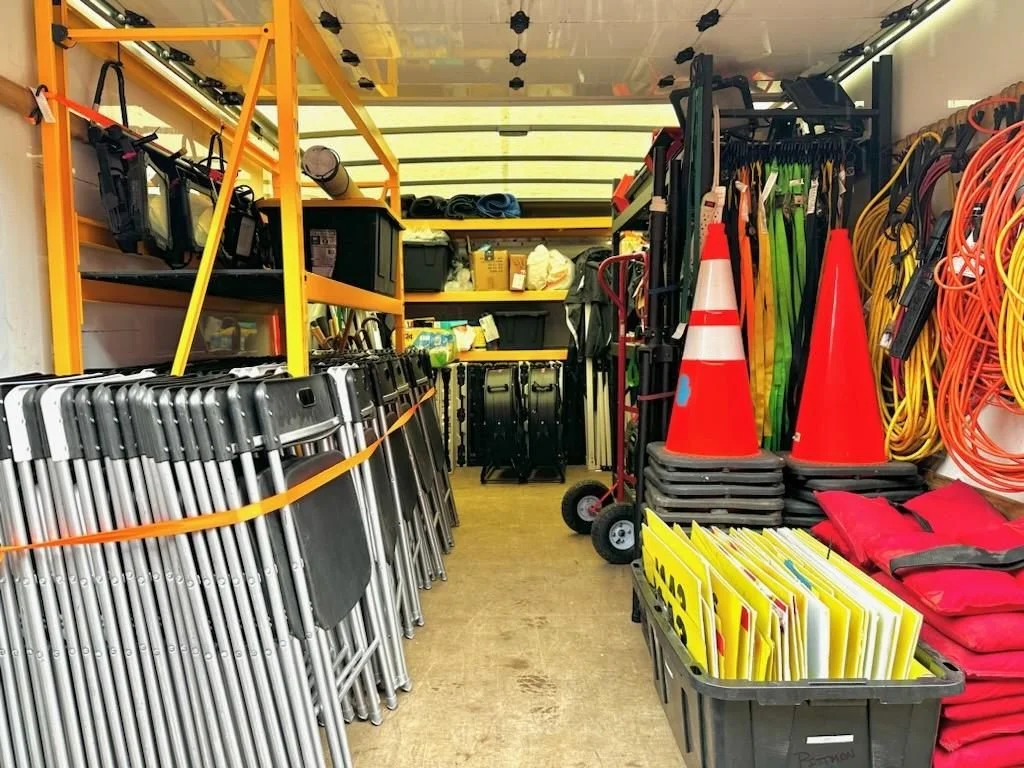
As your projects get bigger, they come with larger crews, more locations, box trucks, honey wagons and a million other moving pieces. Who helps handle that growth? The answer, a talented Locations department. But so often I’ve seen that department get passed over by independent producers to save money when, in my opinion, it should be one of the first positions hired if you’re doing a feature film or series.
Locations, in many ways, is just the top-level term for the person that handles all the unique challenges that can pop up on the day of filming. In fact, it can be such a logistically challenging role that many people have made the jump from being a locations manager to being a producer quickly and easily.
So what can a good locations manager help with? Here are my top three items.
Be the first point of contact between the location owner and production. Whether it's keeping them in the loop, having a conversation when something gets damaged or just making sure they are having a good film experience, a specific face and number they can reach out to and see on set goes miles.
Paperwork: Insurance information, contracts, and parking maps are just a few of the paperwork items I’ve seen talented location managers take off the plate of the producer during production.
Staying ahead of problems. As a locations manager they are on the ground before the crew arrives and after the crew leaves. This allows them to keep a birds-eye view on the set and what potential problems may arise so that they can hopefully cut them off before they become a problem for the whole crew.
Far too often, what I see is a producer that takes on the role of location manager/department all by himself. But this is where issues arise. Now the producer is either trapped on set all day working locations not able to go places and meet people they need to, or they leave and things go sideways on set because the locations person isn’t there.
Other times I see the producer pick out a PA during the shoot to give the more mundane jobs of parking, garbage, etc. to, while the producer continues to handle the high-level aspects of locations. This can lead to some success but usually that PA doesn’t have the training and knowledge to be proactive and he ends up being a reactive locations person responding to crises once they arise.
So, next time you’re gearing up to shoot your next film and looking at where you can cut costs I highly recommend not even considering the locations line. It will allow you to get more done each day as a producer without pulling such crazy hours and keep the set running smoothly and professionally for all involved.

Position 2: Transpo
Now that you’ve greenlit your biggest project yet you’re on the road, literally. Making runs, picking up cast & crew or helping get trucks and vehicles to set each morning. In cutting costs, you felt that nixing the transpo position was the best decision to save money on the production. But is it really saving you money?
In many ways you could say the transpo team are like superheroes. There when needed and otherwise not seen. That’s because usually they’re not on set, or if they are, they’re waiting in whatever vehicle is their responsibility for when that call comes in. But what they can help with can’t be understated. Here are the top three jobs I’ve seen a transpo team help with.
Shuttling. Oftentimes when filming the parking location will be some distance from set. A distance no one wants to walk in the hot sun, cold wind or after a 14-hour day. That’s where your transpo team can come in, giving rides to and from set for everyone involved.
Production vehicle management. Every department has their own vehicle, whether it's a trailer for wardrobe, box truck of props or a 3-ton G&E kit. But making sure all the vehicles get to set on time and are ready to go is often forgotten. In the union world this is usually done by the teamsters but when you’re an independent producer it's a task that will most likely fall to the transpo department. An even bigger plus if your transpo team are car guys and know how to do basic vehicle repair.
Pickups and Runs. Similar to shuttling, your transpo crew can help do airport runs for cast and crew that aren’t being provided with rental vehicles, give those same crew rides to and from set and also help with runs to and from the production office or to pick up items from stores.
But instead of having a transpo team I normally see independent producers do one of two things.
They make a PA or crew member their unofficial transpo person. This can work at times especially if it’s a short shoot with a lot of local crew. But usually, I see it happening on bigger film sets and now this crew is working longer hours helping transport certain cast or crew to and from set, or even just being gone from set reducing an already small PA team as they have to make lots of runs around town each day.
The producer is doing it all himself. Again, at a small enough scale this has merit and maybe doing it for the director or lead talent is okay. But beyond that you once again start stretching the producer to where other aspects of his job aren’t getting the attention they need because he’s on his way to the airport again.
So next time you’re crewing up for a project don’t forget your transpo team. And don’t forget to be creative, maybe you can find a few local volunteers willing to help do this if you feed them and cover their gas or mileage. There’s lots of tools a producer can have to help him pull together the right team that doesn't involve the producer doing everything.
Position 3: Accounting
You just greenlit your biggest project yet. Which means you have the largest budget you’ve managed. But with that larger budget comes more invoices, reimbursements, employee forms, payroll and everything else that goes into paying for a movie. And it’s all information that needs to be kept up to date so a producer can do his job. So surprisingly cutting the accounting position seems to be one of the first to go to save money on projects, when really it just does the opposite.
The accounting department is truly the right-hand man of the producer. Especially the Line Producer. And the larger your project becomes the more nuances there are when it comes to accounting for the project to figure out, keep tabs on, and have ready for audits and tax time. Here are the top 3 jobs I’ve seen the accounting department be able to help relieve from the producer’s plate.
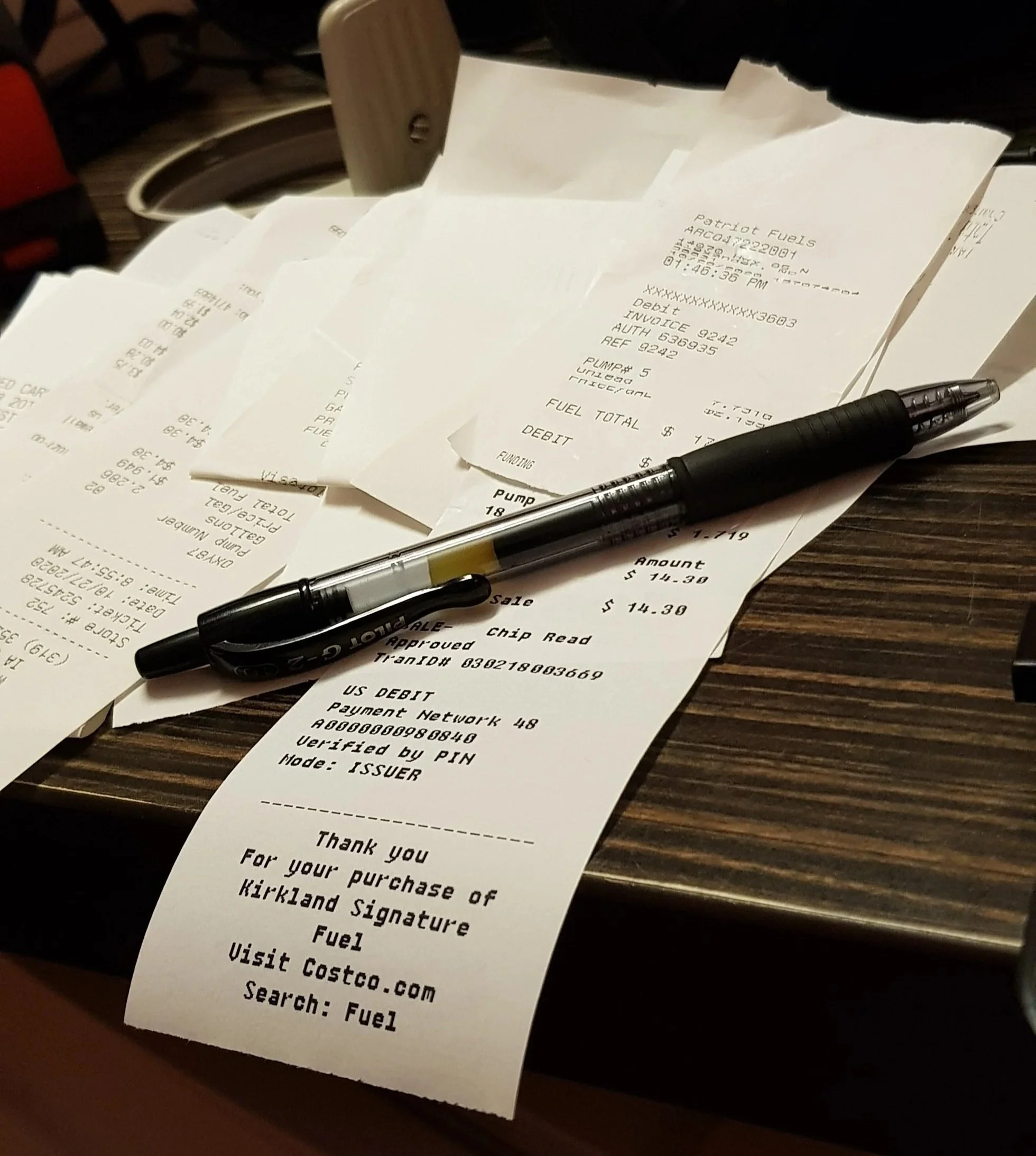
Receipt and Invoice management. Especially once you hit the feature film or series level, the number of receipts and invoices that are flying around from different P-Cards, contractors, vendors and crew piles up. The accountant can help keep track of what’s been paid and what hasn’t and can help track down missing receipts.
Payroll & Tax information collection. There is lots of paperwork that goes along with getting people paid. W2, W9, I9, identifying documents, etc. An accounting team, especially the payroll person can help take on the job of collecting it all and getting it input and organized for payday and tax season.
Film Incentives. Whether it’s a grant, rebate or tax credit, film incentives are a great way to make funding your movie easier to do. But it does bring extra paperwork and organization on the accounting part. Something an accounting department can manage.
What usually happens instead is that the producer becomes his own accounting team. Taking on all the responsibilities. Whether this is just to save money or that the producer doesn’t trust others with this information I can’t say. What I can say is that I’ve seen a trend in producers who didn’t care for the film incentive program be producers who didn’t have anyone handling the accounting. I’ve also heard of times when mistakes in the amounts paid, or amounts reported on tax info were wrong because the producers were trying to do it all.
As you gear up for your next film I highly advise in alleviating some of your to-do’s by bringing on someone to help with the accounting side.

So there you have it, my top 3 positions independent producers should stop cutting and start hiring when they go to produce their next film. Is it 100% necessary, maybe not if you’re doing a 1-2 day passion project or a skeleton crew commercial gig in your area. But the more pieces that come in to play the more you can decrease the risk factor by spreading the work load. And maybe your project doesn’t need all three positions. That’s the beauty of film is it ebbs and flows as needed. But the longer I’m in the industry, the more I see a recurring trend from productions that forgo having any of these three positions on their crew.